guides
6 min read
•5/8/2026App Store Rejection Reasons (and Concrete Fixes) in 2026
The eleven rejection reasons I keep seeing in 2026, why Apple flags each one, and the specific fix that gets the next submission approved.
Tutorials, launch checklists, examples, and decision guides for shipping React Native apps faster.
The React Native Boilerplate Chooser weighs launch speed, budget, web support, subscriptions, and backend shape. It will also tell you when Supabase is the steadier answer than Convex, and when Convex really does fit better.
Open the chooserWhat it answers
The eleven rejection reasons I keep seeing in 2026, why Apple flags each one, and the specific fix that gets the next submission approved.
How to add Sign in with Apple to a React Native Expo app in 2026, including the App Store rule that catches everyone, the right Supabase or Convex token exchange, and how to handle the only-on-first-login name field.
Universal Links, App Links, custom schemes, and Expo Router — how deep linking actually works in 2026, what each piece does, and the AASA / assetlinks.json mistakes that quietly break it.
An honest answer in 2026 — yes, with caveats. What AI coding tools are good at on mobile, where they break down, and the project shape that makes them actually useful.
What goes in the root context file, what belongs per-directory, what to leave out, and how big is too big — written for mobile codebases specifically.
Where the trust line should sit when AI assistants drive Expo Application Services — what's safe to delegate, what to do yourself, and the specific commands that have caused the most damage.
AI coding tools constantly suggest deprecated Expo modules, dead React Native APIs, and outdated import paths. Here's the workflow that fixes it without manually correcting every prompt.
Practical, fast methods to validate a mobile app idea in 2026. Landing pages, waitlists, paid pre-orders, prototype testing, and the signals that actually predict whether the app will work.
How indie apps and small startups actually make money on iOS and Android in 2026. Subscriptions, freemium, paywalls, hybrid pricing, and the boring math that decides which model fits your product.
How to submit a React Native + Expo app to the App Store and Google Play in 2026. EAS builds, code signing, store metadata, common rejections, and the order of operations that gets you through review fast.
The pre-launch checklist that catches the things you forget. Account deletion, App Store metadata, push permissions, paywall localization, analytics, and the boring legal items that block submission.
Which React Native boilerplates actually work well with Claude Sonnet, Cursor, and Codex? An honest 2026 comparison focused on AGENTS.md, codebase shape, and AI-friendly conventions.
Looking for the best mobile app boilerplate in 2026? Honest comparison of React Native, Flutter, and native starters across speed, ecosystem, and product-readiness.
Most React Native starters skip the two pieces that take longest: auth and payments. Here are the boilerplates that actually ship them in 2026.
Which React Native boilerplates are actually built for SaaS in 2026? An honest look at auth, subscriptions, web parity, and the work you still own after install.
A grounded breakdown of what a React Native app actually costs to build in 2026 — agency rates, freelancer rates, founder DIY math, hidden infrastructure costs, and where boilerplates change the numbers.
Direct comparison of React Native and Flutter in 2026. Performance, ecosystem, hiring, AI tooling, web support, and the boring stuff that actually decides which one is right for your team.
An honest comparison of Supabase and Firebase for React Native and Expo apps in 2026. Auth, database, realtime, pricing, vendor lock-in, and which one fits indie founders versus enterprise teams.
End-to-end tutorial for shipping push notifications in a React Native + Expo app. Permissions, tokens, server delivery, deep links, and the production patterns that don't fall apart on day two.
Production-ready Cursor rules and AGENTS.md patterns for React Native and Expo projects. Stops the AI from inventing imports, choosing the wrong styling system, and undoing your conventions.
A current comparison of the Expo boilerplates and starter kits that are actually relevant in 2026, including create-expo-stack, Obytes, NativeLaunch, Expo Starter, and Shipnative.
A practical guide to the React Native mobile app starter kits that make sense for founders and small teams in 2026, with honest tradeoffs around product readiness, backend shape, and launch speed.
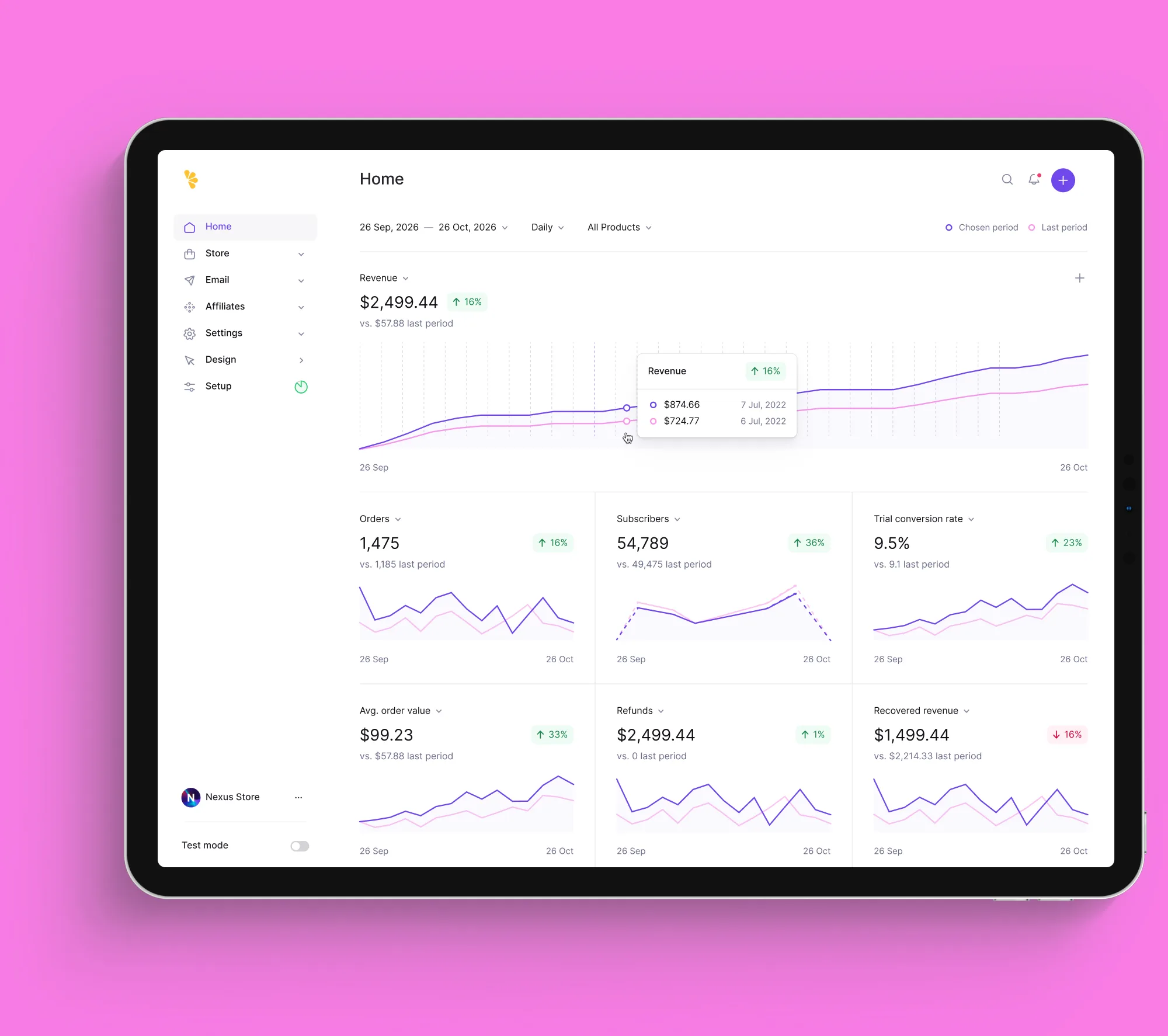
A concrete blueprint for building a subscription-based mobile SaaS app with Expo, Supabase auth, RevenueCat billing, and PostHog analytics.
How to use Claude Sonnet 4.6, Gemini 3 Pro, ChatGPT 5.3-codex, and Cursor for React Native development in 2026. Tips for AGENTS.md context, prompts, and productivity.
A practical checklist for upgrading Expo apps without blowing up auth, subscriptions, analytics, or release week.
A researched, practical comparison of the React Native starters that actually matter in 2026, including Ignite, create-expo-stack, Obytes, and Shipnative.
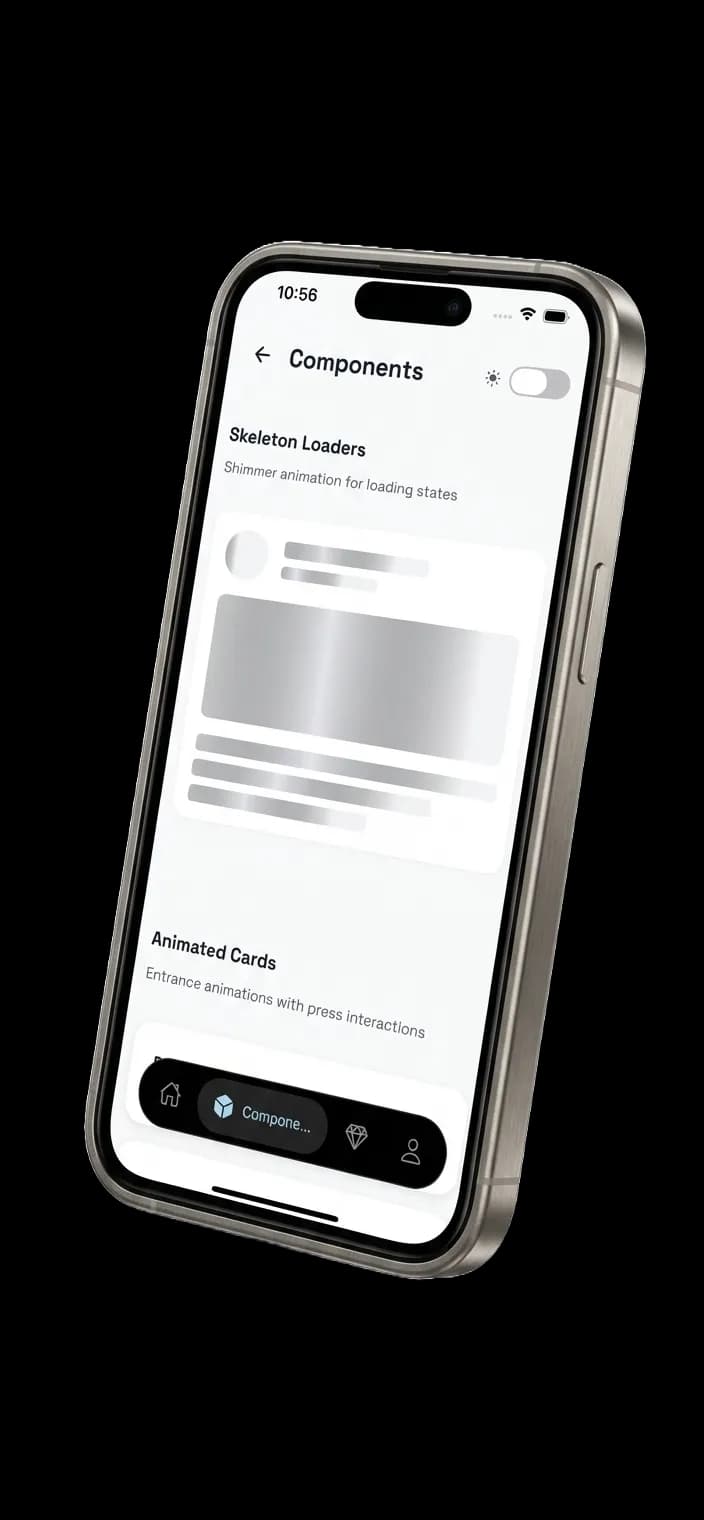
A comprehensive comparison of Expo managed workflow vs bare React Native in 2026. Learn when to use each approach and how boilerplates fit in.
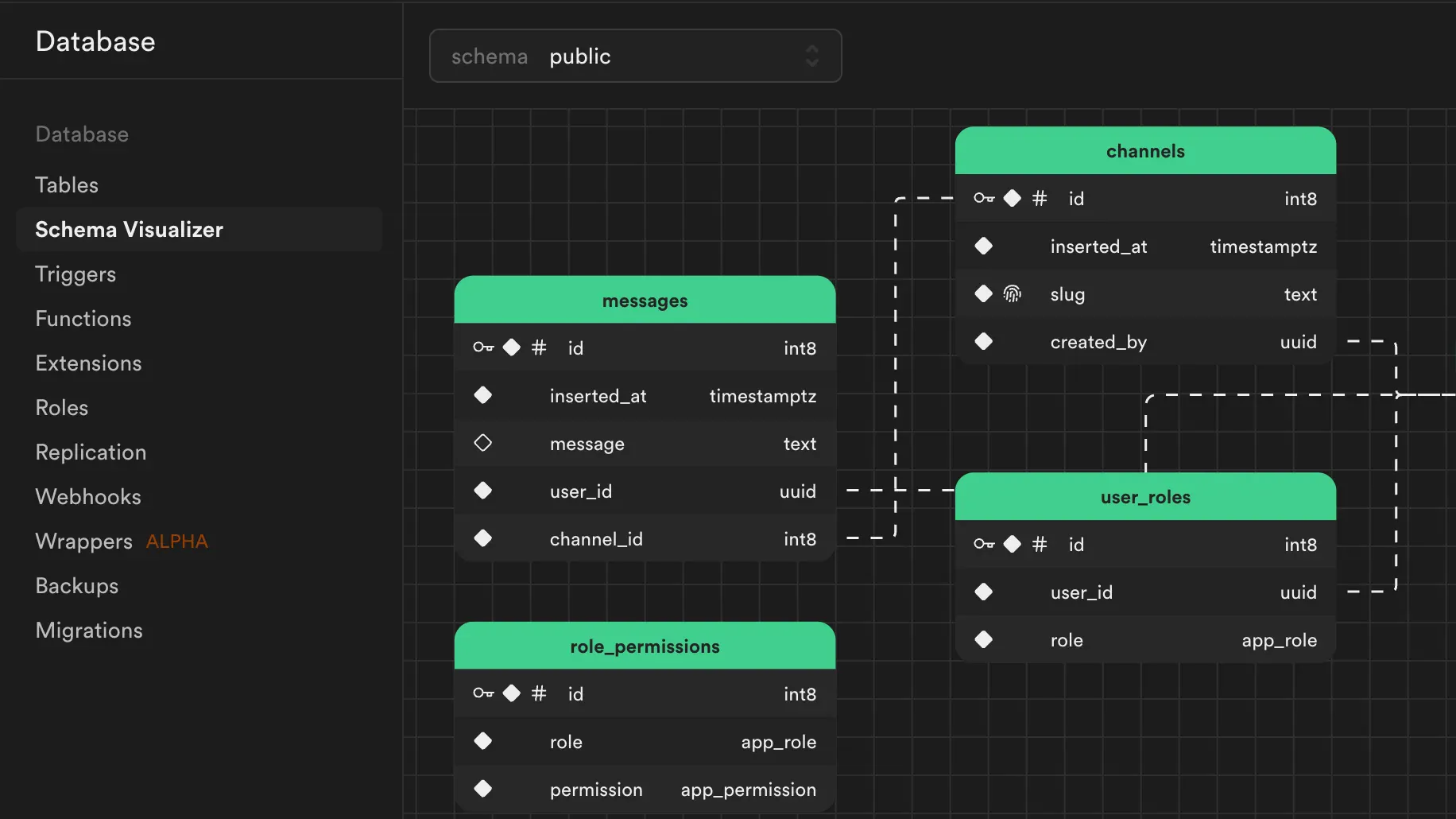
A practical, current guide to choosing Supabase or Convex for a React Native MVP, with real tradeoffs around SQL, reactivity, auth, storage, and launch speed.
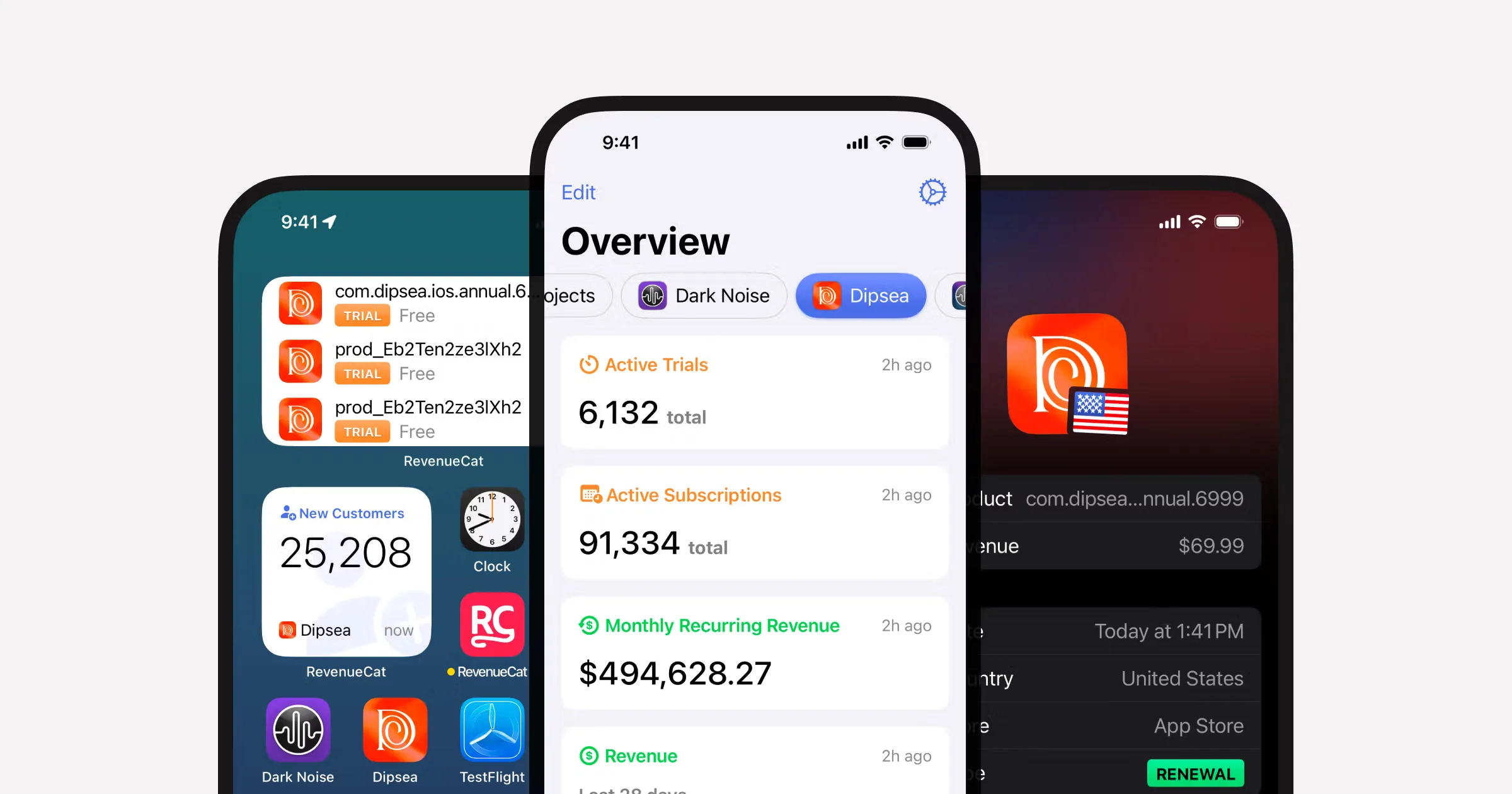
How to think about RevenueCat web billing in an Expo and React Native product, including paywalls, entitlements, purchases-js, hosted flows, and the mistakes that make web billing messy.
Step-by-step tutorial on implementing authentication in React Native with Supabase. Covers email, magic links, and social OAuth. Updated for 2026.
Learn how to add in-app purchases and subscriptions to React Native using RevenueCat in 2026. iOS, Android, and Web support covered.
A practical, battle-tested way to keep LLMs accurate in large monorepos: nested AGENTS.md, just-in-time specs, and hard guardrails.
Get lifetime access to Shipnative for a one-time payment of $99.